
Why Does IVF Fail? Common Reasons and What to Do Next
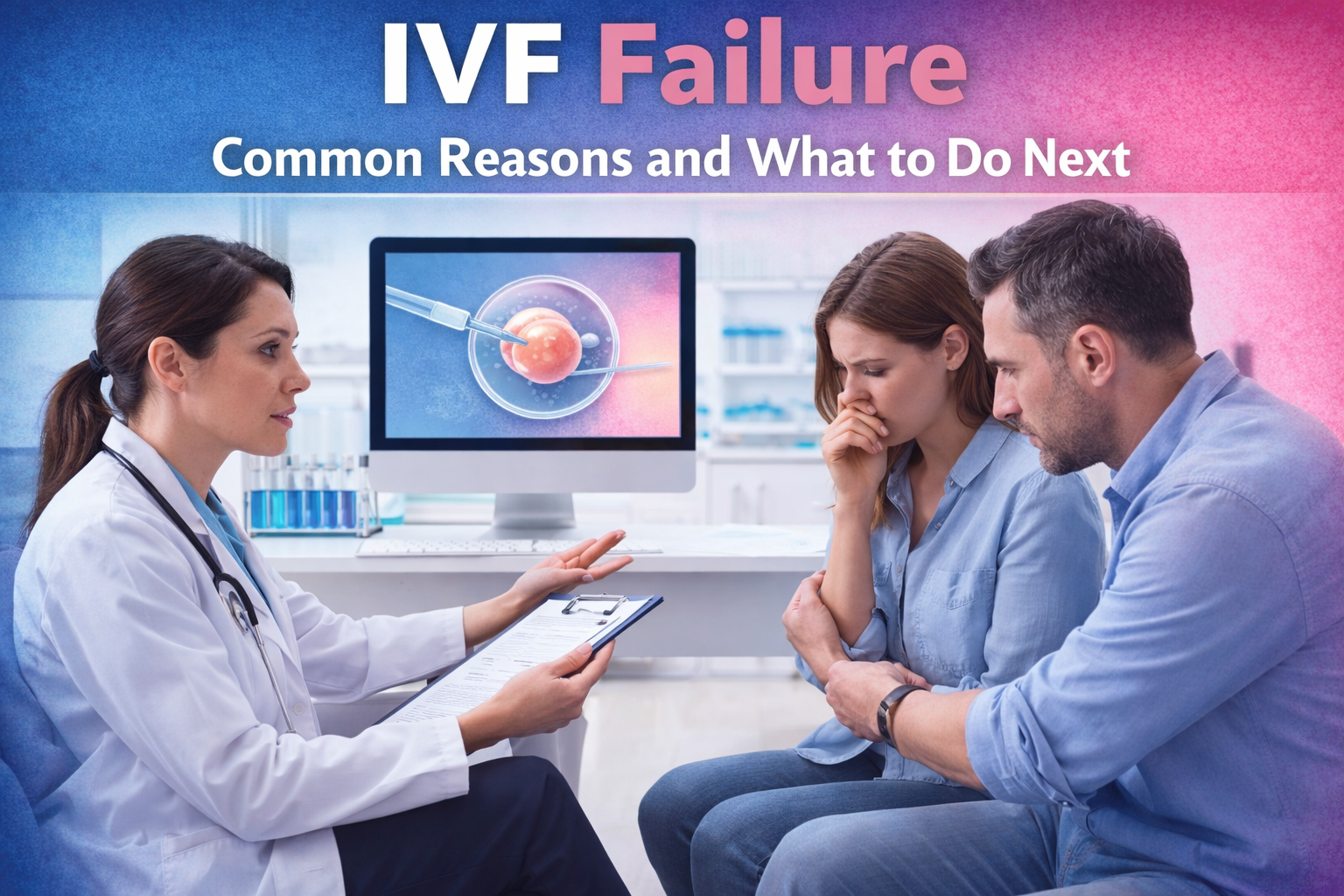
In vitro fertilization (IVF) has helped millions of couples around the world achieve their dream of parenthood. However, despite the advancements in fertility medicine, IVF does not guarantee pregnancy in every cycle. Experiencing IVF failure can be emotionally difficult and confusing for many couples, especially after investing time, energy, and hope into the treatment process.
While IVF success rates have improved significantly over the years, several medical and biological factors can influence the outcome of a cycle. Understanding why IVF fails and what steps can be taken afterward can help patients move forward with confidence and a clearer treatment strategy.
At Myra IVF Centre, fertility specialists focus not only on achieving pregnancy but also on identifying the underlying causes of unsuccessful cycles. Careful evaluation after IVF failure allows doctors to refine treatment plans and improve the chances of success in future cycles.
What Is IVF Failure and Why Does It Happen?
IVF failure occurs when an embryo transfer does not lead to a successful pregnancy. This may happen if fertilization does not occur, embryos do not develop properly, implantation fails, or early pregnancy loss occurs shortly after embryo transfer.
Many couples assume that IVF guarantees pregnancy, but the reality is that success depends on multiple biological and medical factors. These include egg quality, sperm health, embryo development, uterine receptivity, hormone balance, and overall reproductive health.
When an IVF cycle does not result in pregnancy, fertility specialists conduct a detailed review of the treatment cycle to identify possible causes and determine the best next steps.
What Are the Most Common Reasons for IVF Failure?
Several factors can contribute to IVF failure. In many cases, more than one issue may be involved. Understanding these causes helps doctors adjust treatment strategies for future cycles.
Poor Egg Quality
Egg quality plays a major role in successful fertilization and embryo development. As women age, egg quality naturally declines, which can increase the risk of chromosomal abnormalities in embryos. Poor egg quality can lead to embryos that fail to implant or stop developing early in pregnancy.
Poor Embryo Development
Even when fertilization occurs, not all embryos develop normally. Some embryos may stop growing before reaching the blastocyst stage, while others may carry chromosomal abnormalities that prevent successful implantation.
Advanced embryo monitoring and genetic testing can help identify the healthiest embryos for transfer.
Implantation Failure
Implantation failure occurs when the embryo does not successfully attach to the uterine lining. This may happen due to issues with the uterine environment, hormonal imbalances, immune responses, or problems with embryo quality.
Uterine Abnormalities
Structural abnormalities in the uterus can affect implantation. Conditions such as uterine fibroids, polyps, adhesions, or abnormalities in the uterine lining may interfere with embryo implantation and pregnancy development.
Chromosomal Abnormalities
Embryos with chromosomal abnormalities often fail to implant or may result in early miscarriage. These abnormalities are more common in women over the age of 35.
Preimplantation genetic testing (PGT) can help identify chromosomally normal embryos before transfer.
Hormonal Imbalance
Hormones play a crucial role in preparing the uterine lining for implantation. If hormone levels such as progesterone or estrogen are not optimal, the uterus may not be ready to support embryo implantation.
Male Factor Infertility
Sperm health also affects embryo quality. Poor sperm count, low motility, or abnormal sperm morphology can influence fertilization and embryo development.
Techniques such as intracytoplasmic sperm injection (ICSI) can help improve fertilization outcomes in cases of male infertility.
Lifestyle Factors
Lifestyle choices can also impact IVF success. Smoking, excessive alcohol consumption, obesity, poor nutrition, and high stress levels can negatively affect fertility and treatment outcomes.
How Does IVF Failure Affect You Emotionally?
Experiencing IVF failure can be emotionally overwhelming for couples. Feelings of disappointment, frustration, anxiety, and uncertainty are common during this time.
It is important for patients to understand that IVF failure does not mean parenthood is impossible. Many couples achieve successful pregnancies after adjusting treatment protocols or undergoing additional cycles.
Seeking emotional support from partners, counselors, or support groups can help individuals cope with the emotional challenges associated with fertility treatment.
What Should You Do After a Failed IVF Cycle?
The period after an unsuccessful IVF cycle is an opportunity to review the treatment process and make improvements for future cycles.
Detailed Cycle Review
Fertility specialists analyze every stage of the IVF cycle, including ovarian response, egg retrieval results, fertilization rates, embryo quality, and uterine conditions. This helps identify potential issues that may have affected the outcome.
Additional Diagnostic Testing
Doctors may recommend further testing such as uterine evaluation, hysteroscopy, immune testing, genetic screening, or hormone analysis to uncover hidden factors affecting implantation.
Adjusting Treatment Protocols
Future IVF cycles may involve different medication protocols, improved ovarian stimulation strategies, embryo culture techniques, or changes in embryo transfer timing.
Genetic Testing of Embryos
Preimplantation genetic testing can help select embryos with normal chromosomes, improving implantation success and reducing the risk of miscarriage.
Improving Lifestyle Habits
Adopting healthier lifestyle habits can improve fertility outcomes. Maintaining a balanced diet, managing stress, exercising regularly, and avoiding harmful substances can positively influence reproductive health.
Can IVF Work After a Failed Cycle?
Yes. Many couples successfully conceive after one or more failed IVF attempts. Fertility treatment is often a process of learning and adjusting protocols based on how the body responds to treatment.
Advancements in reproductive medicine, improved embryo selection techniques, and personalized treatment strategies have significantly increased the chances of success after previous failures.
How Doctors Improve Success After IVF Failure
- Adjusting ovarian stimulation protocols
- Using advanced embryo monitoring systems
- Performing genetic testing of embryos
- Evaluating uterine receptivity
- Improving sperm selection techniques
- Optimizing hormone support
These strategies allow fertility specialists to tailor treatment plans and improve the chances of pregnancy in future cycles.
How Can You Prevent IVF Failure in Future Cycles?
While not all IVF failures can be prevented, several steps can help improve outcomes in future treatment cycles.
- Choosing an experienced fertility clinic
- Following medication instructions carefully
- Maintaining a healthy lifestyle
- Managing stress levels
- Undergoing recommended diagnostic tests
When Should You Consider Another IVF Cycle?
The timing for another IVF cycle depends on several factors including physical recovery, emotional readiness, and medical evaluation results. Some patients may proceed with another cycle within a few months, while others may benefit from additional testing before continuing treatment.
Fertility specialists work closely with patients to determine the most appropriate timeline for future treatment.
Frequently Asked Questions About IVF Failure
Does IVF failure mean I cannot get pregnant?
No. Many couples achieve pregnancy after adjusting treatment strategies and undergoing additional IVF cycles.
How common is IVF failure?
IVF success rates vary depending on age, fertility diagnosis, embryo quality, and other medical factors. Not every IVF cycle leads to pregnancy.
How many IVF cycles are usually needed?
Some couples achieve pregnancy in the first cycle, while others may require multiple cycles to achieve success.
Can lifestyle changes improve IVF success?
Yes. Healthy nutrition, stress management, avoiding smoking, and maintaining a healthy weight can improve fertility outcomes.