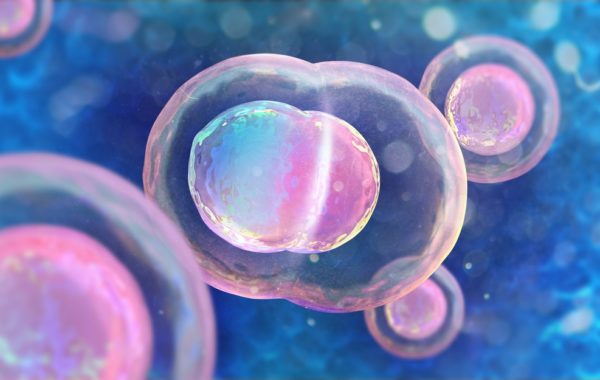
In a standard IVF cycle, embryos are typically grown in a laboratory environment for two to three days before being transferred. However, blastocyst culture involves extending this growth period to five or six days. A "blastocyst" is an embryo that has developed into a complex structure of approximately 60 to 120 cells. By performing a blastocyst transfer, Myra IVF specialists can select the most robust embryos that have demonstrated the best developmental potential, significantly increasing the likelihood of a successful pregnancy.
The Advantages of Day 5 Blastocyst Transfer
Extended blastocyst culture offers several critical advantages for patients undergoing infertility treatment:
- Natural Selection: Not all embryos have the genetic strength to reach Day 5. By culturing embryos longer, those with chromosomal abnormalities often stop developing, leaving only the healthiest embryos for blastocyst transfer.
- Better Synchronization: In a natural pregnancy, an embryo enters the uterus about 80 hours after ovulation (Day 5). A Day 5 transfer better mimics the body’s natural timing, ensuring the uterine lining is at its most receptive state for implantation.
- Reduced Multiple Births: Because blastocysts have a higher implantation rate, our specialists can often transfer a single high-quality blastocyst rather than multiple Day 3 embryos, reducing the risk of twin or triplet pregnancies while maintaining high success rates.
- Accurate Genetic Testing: A blastocyst culture is required for PGS/PGT-A testing, as the embryo is strong enough at Day 5 for a safe biopsy of the cells that will eventually form the placenta.
Potential Challenges and Considerations
While blastocyst transfer is highly effective, there are some factors to consider:
- Embryonic Arrest: Occasionally, embryos that might have survived if transferred on Day 3 may fail to reach the blastocyst stage in the lab. This is often an indicator of underlying genetic issues, but it can be stressful for patients.
- Laboratory Environment: Successful blastocyst culture requires an extremely stable and high-tech incubator environment. At Myra IVF, we use the latest tri-gas incubators to maintain the precise oxygen and carbon dioxide levels needed for Day 5 growth.
Choosing an experienced IVF clinic in Kenya is essential for successful extended culture. Our embryologists possess the expertise required to monitor these delicate embryos through every critical stage of development.
Blastocyst Culture at Myra IVF Center
Myra IVF Center is a leading provider of advanced fertility services across Africa, including Nairobi, Mombasa, and Kisumu. Our laboratory protocols are designed to maximize the number of embryos that reach the blastocyst stage, providing our patients with the best possible outcomes. Whether you are considering blastocyst transfer as part of a fresh cycle or using frozen embryos, we provide world-class clinical support.
We invite you to consult with our team to see if extended culture is the right strategy for your fertility journey. We welcome you with open arms and a commitment to helping you build your family.
📞 Contact us today at +254 786656236 to take the next step.
Frequently Asked Questions
What are the advantages of Day 5 Blastocyst Transfer?
The advantages include natural selection of the healthiest embryos, better synchronization with the uterine lining, reduced risk of multiple births, and high accuracy for genetic testing like PGS/PGT-A.
Is Blastocyst Culture safe for the embryos?
Yes, it is a standard advanced IVF procedure. At Myra IVF, we use high-tech tri-gas incubators to maintain precise oxygen and CO2 levels to support healthy growth until Day 5.