
IVF Treatment in Kenya | Advanced Fertility Care at Myra IVF Centre
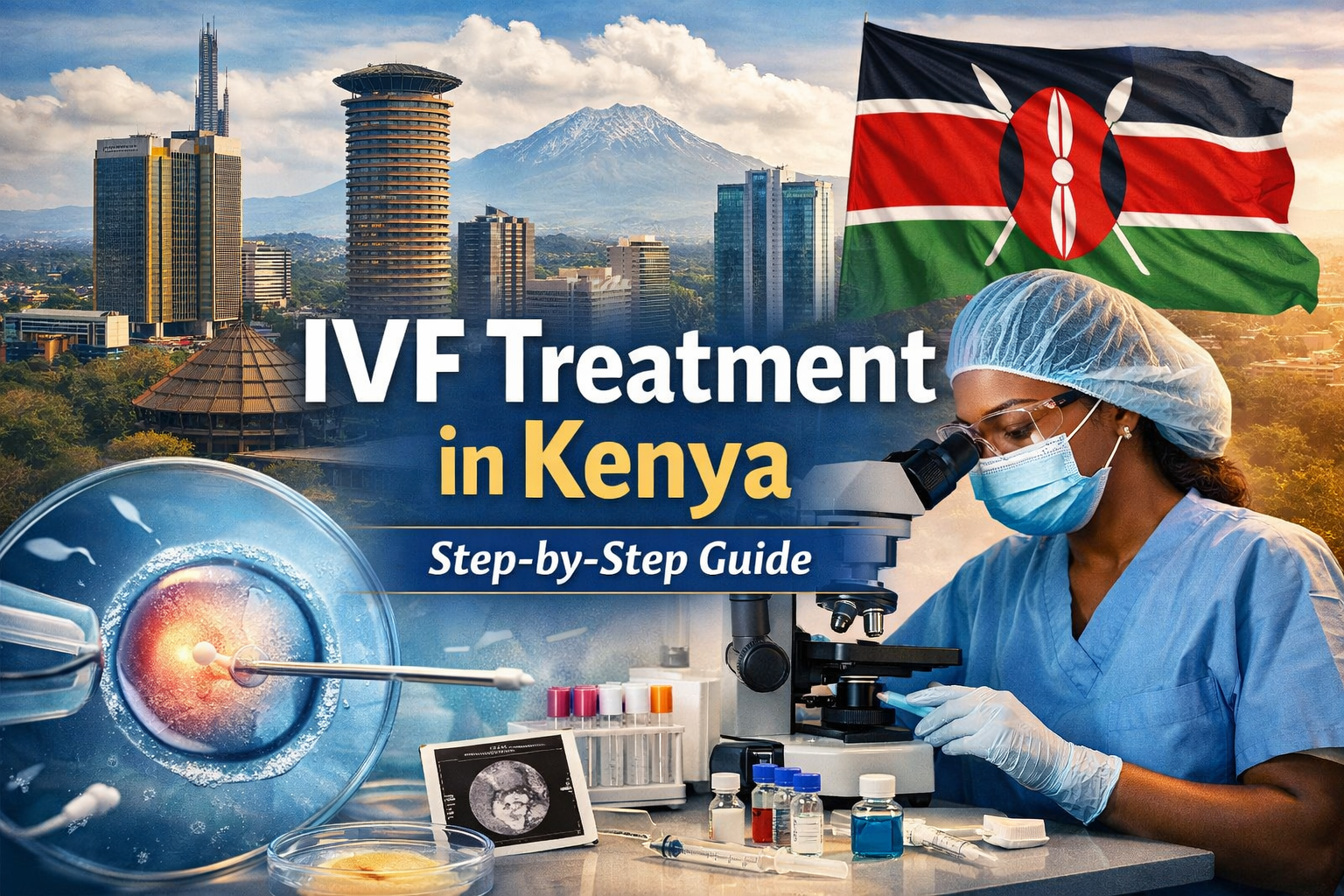
In vitro fertilization (IVF) has transformed the landscape of fertility care worldwide and has become one of the most reliable assisted reproductive technologies for couples facing infertility. In Kenya and across Africa, IVF has emerged as a beacon of hope for families who have struggled with conception for years. At Myra IVF Centre, advanced fertility science meets compassionate patient care, ensuring that every individual receives personalized treatment and unwavering support throughout their fertility journey.
IVF is not just a medical procedure; it is a comprehensive fertility solution involving multiple stages, expert coordination, emotional resilience, and cutting-edge laboratory techniques. Whether infertility is caused by hormonal imbalances, blocked fallopian tubes, male factor infertility, unexplained infertility, or age-related reproductive decline, IVF offers scientifically proven pathways to parenthood.
Understanding IVF: What Exactly Is In Vitro Fertilization?
In vitro fertilization is an assisted reproductive technology in which eggs are retrieved from the ovaries and fertilized with sperm in a controlled laboratory environment. Once fertilization occurs, the healthiest embryos are carefully selected and transferred into the uterus with the goal of achieving a successful pregnancy.
The phrase “in vitro” literally means “in glass,” referring to the laboratory process where fertilization takes place outside the human body. This controlled environment allows fertility specialists to optimize conditions for embryo development and improve pregnancy success rates.
IVF is widely recommended for couples experiencing infertility for over one year, women with blocked fallopian tubes, men with low sperm count or motility issues, patients with endometriosis, hormonal disorders such as PCOS, and individuals who have not conceived through less invasive fertility treatments such as IUI.
Why Has IVF Become Popular in Kenya and East Africa?
Over the past decade, Kenya has witnessed a growing demand for fertility services due to rising infertility awareness, delayed childbearing, lifestyle-related fertility challenges, and improved access to reproductive medicine. Nairobi, Mombasa, and Kisumu have become important fertility care hubs offering internationally standardized IVF treatment.
Patients across East Africa now seek IVF services locally instead of traveling abroad. This shift has been driven by affordable treatment options, experienced fertility specialists, modern embryology laboratories, and improved success rates comparable to global benchmarks.
Myra IVF Centre has played a significant role in making fertility treatment accessible and affordable while maintaining global standards of safety, laboratory excellence, and ethical care.
Who Should Consider IVF Treatment?
IVF is recommended for a wide range of fertility conditions. It is suitable for couples who have tried natural conception without success, individuals with known reproductive disorders, and patients seeking advanced fertility preservation solutions.
- Women with blocked or damaged fallopian tubes
- Men with low sperm count or poor sperm quality
- Couples with unexplained infertility
- Women with polycystic ovary syndrome (PCOS)
- Patients with endometriosis
- Women with diminished ovarian reserve
- Couples requiring genetic screening
- Single parents and same-sex couples seeking fertility assistance
Every patient’s fertility journey is unique. At Myra IVF Centre, fertility specialists conduct thorough diagnostic evaluations before recommending IVF to ensure the most effective treatment approach is selected.
What Are the Steps in the IVF Treatment Process?
Understanding the IVF process helps patients feel confident and prepared throughout their fertility journey. IVF treatment involves several carefully coordinated stages that require medical precision and patient cooperation.
Initial Consultation and Fertility Assessment
The IVF journey begins with a comprehensive fertility consultation. During this stage, fertility specialists review medical history, lifestyle factors, previous fertility treatments, and reproductive health indicators. Diagnostic tests such as hormone profiling, ultrasound scans, semen analysis, and ovarian reserve testing are conducted to determine the most suitable treatment plan.
This evaluation allows doctors to identify underlying fertility issues and customize treatment protocols based on individual patient needs.
Ovarian Stimulation Phase
Once the treatment plan is finalized, ovarian stimulation begins. Fertility medications are administered to stimulate the ovaries to produce multiple mature eggs instead of the single egg released during a natural menstrual cycle.
Patients are closely monitored through blood tests and ultrasound scans to track follicle growth and hormone levels. This monitoring ensures optimal egg development while minimizing risks such as ovarian hyperstimulation syndrome.
Egg Retrieval Procedure
When the follicles reach ideal maturity, a trigger injection is given to prepare the eggs for retrieval. Egg retrieval is a minimally invasive outpatient procedure performed under mild sedation.
A thin ultrasound-guided needle is used to collect eggs from the ovarian follicles. The procedure is safe, quick, and typically completed within 20 to 30 minutes. Patients usually return home the same day.
Sperm Collection and Preparation
On the day of egg retrieval, sperm samples are collected and processed in the laboratory. Advanced sperm washing and selection techniques ensure only the healthiest sperm are used for fertilization.
For men with low sperm count or obstructive conditions, surgical sperm retrieval methods such as TESA or PESA may be used to obtain viable sperm directly from the testes.
Fertilization and Embryo Development
Fertilization occurs in the embryology laboratory using either conventional IVF or intracytoplasmic sperm injection (ICSI). In conventional IVF, eggs and sperm are combined in a culture dish, allowing natural fertilization. In ICSI, a single sperm is directly injected into the egg to improve fertilization outcomes.
After fertilization, embryos are monitored for several days to assess cell division, development quality, and genetic stability. Embryos may be cultured up to the blastocyst stage for enhanced implantation potential.
Embryo Transfer Procedure
The embryo transfer is a simple and painless procedure during which one or more high-quality embryos are gently placed into the uterus using a thin catheter. This procedure does not require anesthesia and is performed under ultrasound guidance.
After embryo transfer, patients receive hormonal support to improve uterine lining receptivity and enhance implantation success.
Pregnancy Testing and Follow-Up Care
Approximately two weeks after embryo transfer, a blood pregnancy test is performed to confirm implantation. If pregnancy is achieved, ongoing monitoring continues to ensure healthy early pregnancy development.
Patients who do not achieve pregnancy in the first cycle receive detailed evaluation and counseling to plan subsequent treatment strategies.
What Factors Affect IVF Success Rates?
IVF success rates vary depending on several medical and lifestyle factors. Age remains one of the most significant predictors of success, with younger women generally achieving higher pregnancy rates. However, modern fertility techniques have improved outcomes for older patients as well.
Additional factors influencing IVF success include egg quality, sperm health, uterine receptivity, embryo quality, laboratory conditions, and adherence to treatment protocols.
At Myra IVF Centre, advanced laboratory technology, experienced embryologists, individualized treatment plans, and continuous quality monitoring contribute to consistently high success rates across different patient categories.
Types of IVF Treatment Options Available
Modern fertility care offers several IVF variations to address specific reproductive challenges. Selecting the appropriate IVF technique is essential for optimizing treatment success.
Conventional IVF
Conventional IVF involves natural fertilization of eggs and sperm in laboratory culture dishes. This method is suitable for couples with normal sperm parameters and healthy egg quality.
ICSI (Intracytoplasmic Sperm Injection)
ICSI is commonly used for male factor infertility. A single healthy sperm is injected directly into the egg to improve fertilization rates in cases of low sperm count or poor motility.
Blastocyst Culture IVF
Blastocyst culture allows embryos to develop for five to six days before transfer. This method helps identify the strongest embryos and improves implantation success.
Frozen Embryo Transfer (FET)
Frozen embryo transfer involves transferring embryos that were previously cryopreserved. This technique allows flexible treatment scheduling and can improve pregnancy outcomes in some patients.
Minimal Stimulation IVF
Minimal stimulation IVF uses lower doses of fertility medication to produce fewer but higher-quality eggs. It is suitable for patients who prefer gentle treatment protocols or those with low ovarian reserve.
Preparing for IVF Treatment: Physical and Emotional Readiness
Preparing for IVF involves more than medical procedures. Patients are encouraged to adopt healthy lifestyle habits such as maintaining balanced nutrition, reducing stress, avoiding smoking and alcohol, achieving healthy body weight, and ensuring adequate sleep.
Emotional support is equally important. Fertility treatment can be emotionally demanding, and counseling services help patients manage anxiety, stress, and expectations throughout the IVF journey.
How Much Does IVF Treatment Cost in Kenya?
The cost of IVF treatment in Kenya varies depending on individual medical needs, treatment protocols, laboratory techniques used, and medication requirements. While IVF may seem expensive initially, it is important to understand that the treatment cost reflects advanced medical technology, laboratory infrastructure, skilled embryologists, fertility medications, and personalized patient care.
On average, IVF treatment cost in Nairobi and other major cities includes ovarian stimulation medications, egg retrieval procedure, laboratory fertilization process, embryo culture, embryo transfer, and post-transfer hormonal support. Additional services such as ICSI, blastocyst culture, genetic testing, or embryo freezing may increase the overall treatment cost.
Myra IVF Centre focuses on transparent pricing and affordable fertility care. Patients receive detailed treatment quotations during consultation so they can plan financially without hidden expenses. Flexible payment options and supportive financial counseling further help couples access fertility treatment with confidence.
Understanding IVF Medications and Their Role
Medications play a critical role in IVF success. Fertility drugs are carefully prescribed to stimulate egg production, regulate hormone levels, support uterine lining preparation, and sustain early pregnancy.
Ovarian Stimulation Medications
Hormonal injections are used to stimulate multiple follicles within the ovaries. These medications help increase the number of mature eggs available for retrieval, improving the chances of creating healthy embryos.
Trigger Injection
The trigger injection is administered once follicles reach optimal maturity. This injection prepares eggs for retrieval and ensures precise timing for the egg collection procedure.
Progesterone and Luteal Support
After embryo transfer, progesterone supplementation supports uterine lining development and improves embryo implantation. These medications are continued during early pregnancy stages to stabilize hormonal balance.
At Myra IVF Centre, medication protocols are customized based on patient age, hormone levels, ovarian response, and medical history to maximize treatment safety and effectiveness.
Advanced IVF Laboratory Technology
Successful IVF treatment relies heavily on high-quality embryology laboratories. State-of-the-art laboratory infrastructure ensures precise temperature control, sterile environments, advanced incubators, and optimal embryo culture conditions.
Modern IVF labs utilize time-lapse embryo monitoring systems, micromanipulation equipment, air purification systems, and quality control protocols to protect embryo development.
Myra IVF Centre operates with international laboratory standards, ensuring embryos are handled under optimal conditions that enhance fertilization success and embryo viability.
Genetic Testing and Embryo Screening
Preimplantation genetic testing (PGT) allows embryologists to screen embryos for chromosomal abnormalities before transfer. This technology improves pregnancy outcomes and reduces the risk of genetic disorders.
PGT is recommended for patients with recurrent pregnancy loss, advanced maternal age, previous IVF failures, or known genetic conditions.
By selecting chromosomally normal embryos, fertility specialists improve implantation success and increase healthy pregnancy rates.
Is IVF Safe for Mother and Baby Long-Term?
IVF is considered safe when performed by experienced fertility specialists using evidence-based protocols. However, like all medical treatments, IVF may carry certain risks that patients should understand.
- Ovarian hyperstimulation syndrome (OHSS)
- Multiple pregnancies
- Procedure-related discomfort
- Emotional stress and anxiety
At Myra IVF Centre, patient safety is prioritized through careful monitoring, individualized medication dosing, and comprehensive follow-up care. Preventive measures are implemented to minimize complications and optimize patient well-being.
Egg Freezing and Fertility Preservation
Egg freezing has become an increasingly popular fertility preservation option for women who wish to delay pregnancy for personal, professional, or medical reasons. This procedure allows eggs to be retrieved and cryopreserved for future use.
Fertility preservation is beneficial for women undergoing cancer treatment, individuals with declining ovarian reserve, or those planning future parenthood.
Frozen eggs maintain biological quality when stored under controlled laboratory conditions, allowing women to preserve reproductive potential regardless of age-related fertility decline.
Role of Male Fertility in IVF Treatment
Male factor infertility contributes to nearly 40 percent of fertility challenges. IVF technology provides effective solutions for men with low sperm count, abnormal morphology, or poor motility.
Advanced techniques such as ICSI allow embryologists to select the healthiest sperm and directly fertilize eggs, significantly improving fertilization rates.
Surgical sperm retrieval procedures including TESA and PESA help men with obstructive conditions or azoospermia achieve biological parenthood.
Lifestyle Factors That Impact IVF Success
Healthy lifestyle habits directly influence fertility outcomes. Patients undergoing IVF treatment are encouraged to maintain balanced nutrition, exercise moderately, manage stress levels, and avoid harmful substances.
- Quit smoking and alcohol consumption
- Maintain healthy body weight
- Follow fertility nutrition guidelines
- Manage stress through relaxation techniques
- Get adequate sleep
Adopting healthy habits improves hormone balance, egg quality, sperm health, and overall reproductive wellness.
Why Is Emotional Support Important During IVF?
IVF treatment is both physically demanding and emotionally challenging. Patients may experience anxiety, fear, uncertainty, and emotional exhaustion during treatment cycles.
Professional counseling services help couples navigate emotional challenges, build resilience, and maintain positive mental health throughout the fertility journey.
At Myra IVF Centre, emotional support is integrated into patient care, ensuring individuals receive compassionate guidance alongside medical treatment.
IVF for International Patients in Kenya
Kenya has become a preferred destination for international fertility patients seeking high-quality IVF treatment at affordable costs. Patients from neighboring African countries and overseas travel to Nairobi and Mombasa for specialized fertility care.
Myra IVF Centre offers international patient coordination services including appointment scheduling, travel assistance, accommodation guidance, and personalized treatment planning.
Medical tourism combined with advanced fertility technology has made Kenya a trusted destination for reproductive healthcare.
What Are the Most Common Myths About IVF?
There are many misconceptions surrounding IVF treatment that often create unnecessary fear and hesitation. Understanding the truth behind these myths helps patients make informed decisions.
Myth: IVF Always Results in Multiple Babies
Fact: Modern IVF practices focus on single embryo transfer to reduce the risk of multiple pregnancies. Advanced embryo selection techniques allow fertility specialists to achieve healthy pregnancies while minimizing complications.
Myth: IVF Is Only for Women with Severe Infertility
Fact: IVF is used for a wide range of fertility challenges including unexplained infertility, male factor infertility, hormonal imbalances, and age-related fertility decline.
Myth: IVF Guarantees Pregnancy
Fact: While IVF significantly improves conception chances, success depends on multiple factors including age, medical history, embryo quality, and uterine health.
Myth: IVF Is Unsafe for Babies
Fact: Millions of healthy babies worldwide have been born through IVF. Long-term studies confirm that IVF-conceived children develop normally and lead healthy lives.
IVF Treatment After Age 35
Age plays a significant role in female fertility. After the age of 35, egg quantity and quality naturally decline. However, IVF has enabled many women in their late thirties and forties to achieve successful pregnancies.
Advanced ovarian stimulation protocols, embryo screening techniques, donor egg programs, and blastocyst transfer methods help improve pregnancy outcomes for older patients.
Early fertility assessment and proactive treatment planning are essential for women considering pregnancy later in life.
IVF and PCOS: Managing Polycystic Ovary Syndrome
Polycystic ovary syndrome (PCOS) is one of the most common causes of female infertility. Women with PCOS often experience irregular ovulation, hormonal imbalance, and metabolic challenges.
IVF provides effective fertility solutions for PCOS patients by controlling ovulation, regulating hormone levels, and improving egg maturation.
Careful medication dosing and close monitoring are essential for PCOS patients to prevent complications such as ovarian hyperstimulation syndrome.
What to Do After Failed IVF Cycles
Experiencing unsuccessful IVF cycles can be emotionally difficult. However, many patients achieve success after adjusting treatment strategies and addressing underlying issues.
After a failed IVF cycle, fertility specialists conduct thorough evaluations to identify potential contributing factors such as embryo quality, uterine environment, hormonal imbalances, or immune factors.
Alternative protocols, genetic testing, frozen embryo transfer, endometrial preparation, and lifestyle modifications may significantly improve future success rates.
What Diet and Lifestyle Changes Help During IVF?
Proper nutrition plays a supportive role in fertility treatment. A balanced diet improves hormone regulation, egg quality, sperm health, and overall reproductive wellness.
- Increase intake of fruits and vegetables
- Consume lean proteins and healthy fats
- Include whole grains and fiber-rich foods
- Stay hydrated
- Avoid processed foods and excess sugar
Fertility specialists may also recommend specific supplements such as folic acid, vitamin D, omega-3 fatty acids, and antioxidants based on individual needs.
Physical Activity During IVF Treatment
Moderate physical activity supports overall health and stress management during IVF treatment. However, intense workouts should be avoided during ovarian stimulation and post-embryo transfer phases.
Gentle exercises such as walking, yoga, and stretching help maintain circulation and emotional well-being without straining the reproductive system.
After Embryo Transfer Care Guidelines
The period following embryo transfer is critical for implantation success. Patients are advised to follow specific care guidelines to support uterine receptivity.
- Take prescribed medications on schedule
- Avoid heavy lifting and strenuous activity
- Maintain a calm and positive mindset
- Eat nutritious meals
- Get adequate rest
Patients are encouraged to continue normal daily routines with minimal physical stress while avoiding unnecessary bed rest.
Early Pregnancy Care After IVF
Once pregnancy is confirmed, early prenatal care becomes essential for healthy pregnancy development. Fertility specialists monitor hormone levels, ultrasound progress, and fetal growth during early weeks.
Hormonal supplementation continues until the placenta is fully functional. Patients receive personalized pregnancy care plans and transition smoothly to obstetric care providers.
Psychological Well-being and Stress Management
Emotional health is a critical component of fertility treatment. Chronic stress can impact hormonal balance and overall well-being.
Mindfulness techniques such as meditation, breathing exercises, relaxation therapy, and professional counseling help patients maintain emotional stability throughout IVF treatment.
Strong emotional support from partners, family members, and healthcare providers contributes to positive treatment experiences and better outcomes.
Partner Support During IVF Journey
IVF treatment is a shared journey between partners. Emotional understanding, open communication, and mutual support strengthen relationships during challenging phases.
Partners are encouraged to attend appointments together, participate in treatment decisions, and maintain open dialogue about emotional experiences.
How Do You Choose the Right IVF Clinic in Kenya?
Selecting the right fertility clinic significantly impacts treatment success. Patients should consider factors such as doctor expertise, laboratory infrastructure, treatment transparency, patient reviews, and personalized care approach.
Myra IVF Centre combines advanced fertility technology, experienced specialists, ethical treatment practices, and compassionate care to deliver exceptional patient outcomes.
The center’s commitment to quality standards, continuous innovation, and patient-centered care makes it a trusted fertility partner for families across Kenya and beyond.
Frequently Asked Questions About IVF Treatment
How long does the IVF process take?
An IVF treatment cycle typically takes between four to six weeks from ovarian stimulation to pregnancy testing. However, timelines may vary depending on individual treatment protocols, medication response, and laboratory procedures.
Is IVF painful?
Most IVF procedures involve minimal discomfort. Egg retrieval is performed under mild sedation, while embryo transfer is generally painless. Mild bloating or cramping may occur temporarily during treatment.
What is the success rate of IVF in Kenya?
IVF success rates vary based on patient age, fertility diagnosis, embryo quality, and treatment approach. Clinics with advanced laboratories and experienced specialists achieve consistently higher success rates.
Can IVF guarantee pregnancy?
No fertility treatment can guarantee pregnancy. However, IVF significantly improves conception chances and remains one of the most effective assisted reproductive technologies available.
Is IVF safe for mother and baby?
IVF is considered safe when performed by qualified fertility specialists following international medical guidelines. Millions of healthy babies have been born worldwide through IVF treatment.
Can IVF be repeated if the first cycle fails?
Yes. Many patients achieve success after subsequent IVF cycles. Treatment strategies can be adjusted based on previous outcomes to improve success rates.
Does IVF increase the risk of birth defects?
Scientific research indicates that IVF-conceived children have similar health outcomes compared to naturally conceived children when proper screening and laboratory protocols are followed.
Why Choose Myra IVF Centre for Your Fertility Journey
Choosing the right fertility center is one of the most important decisions in your IVF journey. Myra IVF Centre is recognized for delivering exceptional fertility care through a combination of medical excellence, ethical practices, and compassionate patient support.
- Highly experienced fertility specialists
- Advanced embryology laboratory technology
- Personalized treatment protocols
- International quality standards
- Transparent pricing and ethical practices
- Comprehensive fertility services under one roof
The center provides a wide range of fertility treatments including IVF, ICSI, blastocyst culture, fertility preservation, surrogacy programs, donor programs, and genetic screening services.
Patients receive individualized care plans designed to maximize success while ensuring comfort, safety, and emotional well-being.
Patient-Centered Approach to Fertility Care
At Myra IVF Centre, patient care extends beyond medical treatment. The clinic focuses on building strong patient relationships, providing clear communication, emotional counseling, and continuous guidance throughout every stage of treatment.
Dedicated fertility coordinators assist patients with appointment scheduling, medication guidance, follow-up care, and treatment planning. This patient-centered approach ensures smooth treatment experiences and improved satisfaction.
Success Stories and Real-Life Transformations
Every successful IVF journey represents hope restored and families created. Over the years, Myra IVF Centre has helped thousands of couples achieve their dream of parenthood.
From couples struggling with long-term infertility to patients with complex reproductive challenges, the clinic’s success stories reflect medical excellence and unwavering dedication to patient outcomes.
These life-changing moments continue to inspire the clinic’s mission of building families and fulfilling dreams.
Ethical Standards and Medical Transparency
Ethical fertility treatment is a core principle at Myra IVF Centre. Patients receive honest medical guidance, transparent treatment plans, and realistic expectations throughout the IVF process.
All procedures are performed in accordance with national and international medical guidelines to ensure patient safety, ethical compliance, and treatment integrity.
What Are the Latest IVF Technology Advances in Kenya?
The field of reproductive medicine continues to evolve rapidly. Emerging technologies such as artificial intelligence embryo selection, advanced genetic screening, non-invasive testing, and personalized fertility protocols are shaping the future of IVF treatment.
Myra IVF Centre remains committed to continuous innovation by adopting advanced fertility technologies and upgrading laboratory infrastructure to provide patients with world-class treatment options.