Low AMH and Poor Ovarian Reserve: Causes, Diagnosis, and Treatment Options
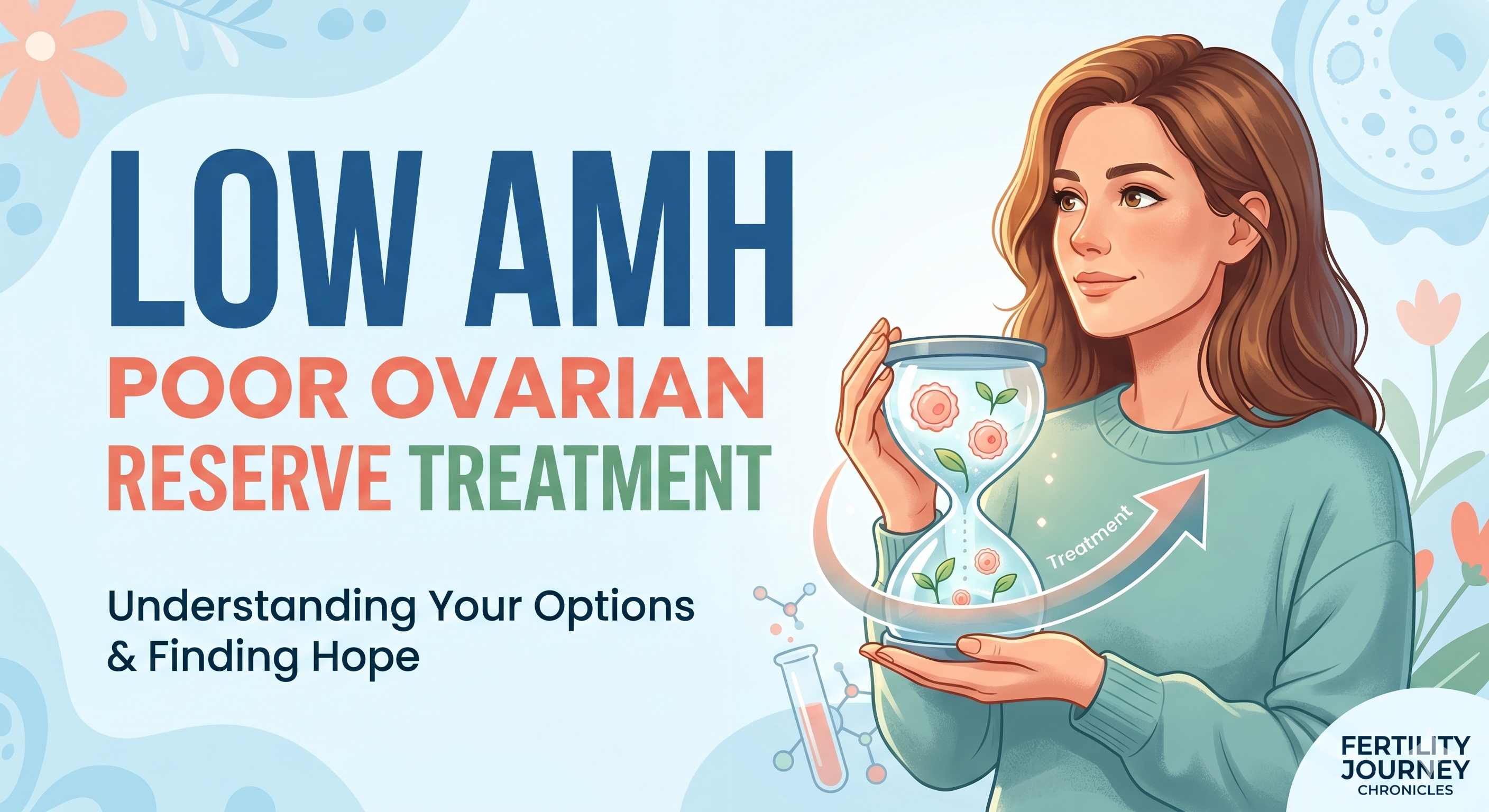
Being told that your AMH levels are low or that you have a poor ovarian reserve can feel overwhelming. Many women hear this diagnosis and immediately wonder whether they can ever become a mother. The good news is that a low AMH does not mean the end of your fertility journey — it means you need the right guidance, the right treatment approach, and a team of experts who specialize in helping women in this situation.
At Myra IVF Centre in Kenya, we regularly help women with diminished ovarian reserve achieve successful pregnancies through advanced fertility treatments and personalized protocols.
What Is AMH (Anti-Müllerian Hormone)?
AMH (Anti-Müllerian Hormone) is a protein hormone produced by the granulosa cells in the small follicles of the ovaries. It is one of the most reliable markers used by fertility specialists to assess a woman's ovarian reserve — the number of eggs remaining in her ovaries.
Unlike other hormones such as FSH or estradiol, AMH levels remain relatively stable throughout the menstrual cycle, making it a convenient and accurate blood test that can be done on any day of your cycle.
What Is Considered a Low AMH Level?
AMH levels are measured in nanograms per milliliter (ng/mL). Here is a general reference chart for understanding AMH levels:
| AMH Level (ng/mL) | Interpretation |
|---|---|
| Above 3.0 | High (may indicate PCOS) |
| 1.5 – 3.0 | Normal ovarian reserve |
| 1.0 – 1.5 | Low-normal (declining reserve) |
| 0.5 – 1.0 | Low ovarian reserve |
| Below 0.5 | Very low ovarian reserve |
An AMH level below 1.0 ng/mL is generally considered low and may indicate diminished ovarian reserve (DOR). However, it is important to remember that AMH is just one part of the picture and should be interpreted alongside other tests.
What Is Poor Ovarian Reserve?
Poor ovarian reserve (also called diminished ovarian reserve or DOR) means that the number of eggs in a woman's ovaries is lower than expected for her age. This does not necessarily mean the remaining eggs are of poor quality — it simply indicates that there are fewer eggs available.
A woman is born with all the eggs she will ever have (approximately 1–2 million). By puberty, this number drops to about 300,000–400,000. With each menstrual cycle, a number of eggs are lost. By the late 30s and early 40s, the egg reserve naturally declines more rapidly.
Causes of Low AMH and Poor Ovarian Reserve
Several factors can contribute to a diminished ovarian reserve:
1. Age
Age is the most significant factor. Ovarian reserve naturally declines as a woman gets older, with a sharper decline after age 35. By age 40, many women have significantly reduced egg counts.
2. Genetics
Some women are genetically predisposed to early ovarian ageing. If your mother or sisters experienced early menopause or fertility challenges, you may be at higher risk.
3. Endometriosis
Endometriosis — a condition where tissue similar to the uterine lining grows outside the uterus — can damage the ovaries and reduce egg reserve. Ovarian endometriomas (chocolate cysts) are particularly harmful to ovarian reserve.
4. Ovarian Surgery
Previous surgeries on the ovaries, such as cystectomy for ovarian cysts or oophorectomy, can reduce the number of remaining follicles and lower AMH levels.
5. Chemotherapy or Radiation Therapy
Cancer treatments including chemotherapy and pelvic radiation can significantly damage the ovaries and lead to premature loss of ovarian reserve.
6. Autoimmune Conditions
Autoimmune disorders such as thyroiditis, lupus, and rheumatoid arthritis can sometimes target the ovaries and accelerate the loss of follicles.
7. Smoking
Cigarette smoking is toxic to the ovaries. Studies have shown that women who smoke experience menopause 1–4 years earlier than non-smokers and tend to have lower AMH levels.
8. Idiopathic (Unknown Cause)
In some cases, no specific cause can be identified. Some young women in their 20s and early 30s are found to have unexpectedly low AMH levels without any obvious risk factor.
Signs and Symptoms of Poor Ovarian Reserve
Poor ovarian reserve often has no obvious symptoms, which is why routine testing is important. However, some women may notice:
- Difficulty getting pregnant despite regular unprotected intercourse
- Shorter menstrual cycles (25 days or less)
- Irregular periods or changes in menstrual flow
- Previous miscarriage(s)
- Poor response to fertility medications during previous IVF cycles
- Hot flashes or night sweats (in advanced cases nearing early menopause)
How Is Low AMH and Poor Ovarian Reserve Diagnosed?
A comprehensive fertility evaluation includes multiple tests to accurately assess ovarian reserve:
AMH Blood Test
The AMH test is a simple blood test that can be done on any day of the menstrual cycle. It provides a reliable measure of the number of small antral follicles in the ovaries.
Antral Follicle Count (AFC)
An antral follicle count is performed using a transvaginal ultrasound, typically on day 2–3 of the menstrual cycle. The doctor counts the small follicles (2–10 mm) visible in both ovaries. A count of fewer than 5–7 total follicles suggests a diminished reserve.
FSH and Estradiol (Day 2–3)
Follicle-Stimulating Hormone (FSH) is measured on day 2 or 3 of the cycle. An elevated FSH level (above 10 mIU/mL) can indicate that the body is working harder to stimulate the ovaries because fewer follicles are available. Estradiol levels are measured alongside FSH to ensure accurate interpretation.
Additional Tests
Your fertility specialist may also recommend thyroid function tests, karyotyping (genetic testing), and a pelvic ultrasound to rule out other contributing conditions.
Treatment Options for Low AMH and Poor Ovarian Reserve
A diagnosis of low AMH does not mean you cannot become a mother. Several effective treatment options are available depending on your individual situation:
1. Conventional IVF with Customized Protocols
For women with low AMH, standard IVF stimulation protocols may not yield enough eggs. Fertility specialists use customized stimulation protocols tailored to the individual, including:
- Microdose Lupron flare protocol — designed specifically for poor responders
- Antagonist protocol with high-dose gonadotropins — to maximize follicle recruitment
- Dual stimulation (DuoStim) — stimulating the ovaries twice in the same cycle to collect more eggs
2. Mini IVF (Minimal Stimulation IVF)
Mini IVF uses lower doses of fertility medications to gently stimulate the ovaries. This approach focuses on quality over quantity, aiming to retrieve a small number of high-quality eggs. It is a preferred option for women with very low AMH who may not respond well to high doses of medication.
3. Natural Cycle IVF
In natural cycle IVF, no stimulation medications are used. The single egg that the body naturally selects each month is retrieved and fertilized. This is a gentle option suitable for women who produce very few follicles even with stimulation.
4. Embryo Banking (Egg Accumulation)
Women with low AMH may undergo multiple IVF cycles to collect and freeze eggs or embryos over time. Once enough embryos are accumulated, the best one(s) are transferred. This approach, known as embryo banking, improves the cumulative success rate.
5. DHEA Supplementation
Dehydroepiandrosterone (DHEA) is a naturally occurring hormone that has been shown in studies to improve ovarian response in women with diminished ovarian reserve. Taking DHEA supplements (typically 75 mg/day) for 6–12 weeks before IVF may increase the number of eggs retrieved and improve egg quality.
Note: Always take DHEA under the supervision of your fertility specialist.
6. Coenzyme Q10 (CoQ10)
CoQ10 is a powerful antioxidant that supports mitochondrial function in eggs. Supplementation with CoQ10 (typically 400–600 mg/day) may help improve egg quality, especially in women over 35 with declining ovarian reserve.
7. Growth Hormone Adjuvant Therapy
Some fertility specialists use growth hormone (GH) as an add-on to IVF stimulation protocols for poor responders. Research suggests that GH may improve the number and quality of eggs retrieved.
8. PRP Therapy (Platelet-Rich Plasma)
Ovarian PRP therapy involves injecting platelet-rich plasma directly into the ovaries to rejuvenate ovarian tissue and potentially activate dormant follicles. While still considered experimental, early results have been promising in some patients with very low AMH.
9. Donor Egg IVF
For women with extremely low ovarian reserve where own-egg IVF has not been successful, donor egg IVF offers excellent success rates. A healthy donor provides eggs that are fertilized with the partner's sperm, and the resulting embryo is transferred to the patient's uterus. Myra IVF Centre provides comprehensive donor egg and sperm facilities.
Lifestyle and Natural Tips to Support Ovarian Health
While lifestyle changes cannot reverse diminished ovarian reserve, they can help optimize the quality of your remaining eggs:
- Eat a fertility-friendly diet — Include antioxidant-rich foods like berries, leafy greens, nuts, avocados, and fatty fish rich in omega-3 fatty acids.
- Take prenatal vitamins — Ensure adequate intake of folic acid, Vitamin D, Vitamin E, and zinc.
- Quit smoking — Smoking accelerates ovarian ageing. Stopping can help preserve your remaining reserve.
- Limit alcohol and caffeine — Excessive consumption of alcohol and caffeine may negatively impact fertility.
- Manage stress — Chronic stress can disrupt hormonal balance. Practice yoga, meditation, or mindfulness.
- Exercise moderately — Regular moderate exercise supports hormonal balance and overall health. Avoid extreme or strenuous workouts that may negatively affect reproductive hormones.
- Get adequate sleep — Aim for 7–8 hours of quality sleep per night. Poor sleep can disrupt hormonal regulation.
- Avoid environmental toxins — Limit exposure to pesticides, BPA, phthalates, and other endocrine-disrupting chemicals found in plastics and processed foods.
AMH Levels by Age: What to Expect
Understanding how AMH levels naturally change with age can help set realistic expectations:
| Age Group | Average AMH (ng/mL) | Low AMH Threshold |
|---|---|---|
| Under 25 | 3.0 – 7.0 | Below 2.0 |
| 25 – 30 | 2.5 – 6.3 | Below 1.5 |
| 31 – 35 | 1.5 – 4.0 | Below 1.0 |
| 36 – 40 | 1.0 – 3.5 | Below 0.7 |
| 41 – 45 | 0.5 – 1.5 | Below 0.3 |
| Over 45 | Below 0.5 | Below 0.1 |
IVF Success Rates with Low AMH at Myra IVF Centre
At Myra IVF Centre, we have extensive experience treating women with low AMH and poor ovarian reserve. Our approach includes:
- Personalized stimulation protocols designed specifically for poor responders
- Advanced embryology laboratory with experienced embryologists
- Blastocyst culture and assisted laser hatching for improved implantation
- PGT-A (Preimplantation Genetic Testing) to select the healthiest embryos
- Comprehensive pre-treatment optimization with supplements and lifestyle guidance
Our 79% overall IVF success rate reflects our commitment to advanced protocols and personalized care. While success rates for low AMH patients depend on individual factors like age and egg quality, many of our patients have achieved successful pregnancies even with very low AMH levels.
When Should You Get Your AMH Tested?
You should consider getting your AMH tested if:
- You are over 30 and planning to conceive in the near future
- You have been trying to conceive for 6–12 months without success
- You have a family history of early menopause
- You have a history of endometriosis, ovarian cysts, or ovarian surgery
- You have undergone chemotherapy or radiation therapy
- You are considering egg freezing for fertility preservation
- You have experienced irregular periods or shortened menstrual cycles
Early testing allows you to make informed decisions about your fertility and explore treatment options before the reserve declines further.
Why Choose Myra IVF Centre for Low AMH Treatment in Kenya?
Myra IVF Centre is a leading fertility centre in Kenya with over 15 years of experience and an ISO 9001 certified laboratory. Under the expert guidance of Dr. Sarita Sukhija, we offer:
- Specialized expertise in treating patients with low AMH and poor ovarian reserve
- State-of-the-art IVF laboratory with the latest technology
- Multiple treatment options: IVF, mini IVF, natural cycle IVF, ICSI, and donor egg programs
- Advanced adjuvant therapies including PRP therapy and growth hormone protocols
- Three convenient locations: Nairobi, Mombasa, and Kisumu
- Compassionate, patient-centered care and counseling throughout your journey
Conclusion
A diagnosis of low AMH or poor ovarian reserve does not mean the end of your dream of becoming a mother. With advances in reproductive medicine, personalized treatment protocols, and the right fertility team, many women with diminished ovarian reserve are able to conceive and carry healthy pregnancies.
If you have been diagnosed with low AMH or are concerned about your ovarian reserve, do not delay seeking help. Time is an important factor, and early intervention gives you the best chance of success.
Book a consultation with Myra IVF Centre today and take the first step toward building your family. Contact us at +254 786656236 or drsarita2007@gmail.com.
Frequently Asked Questions
Can I get pregnant naturally with low AMH?
Yes, pregnancy is possible with low AMH, especially if you are young and have good egg quality. AMH indicates the quantity of eggs, not their quality. However, conception may take longer, and many women with low AMH benefit from fertility treatments like IVF to improve their chances.
What is a normal AMH level by age?
Normal AMH levels vary by age. For women aged 25–30, the typical range is 2.5–6.3 ng/mL. For ages 31–35, it is 1.5–4.0 ng/mL. For ages 36–40, the range is 1.0–3.5 ng/mL. For women over 40, levels below 1.0 ng/mL are common. An AMH level below 1.0 ng/mL at any age is generally considered low.
Can AMH levels be improved?
AMH levels reflect the remaining egg reserve and cannot be significantly increased once diminished. However, certain supplements like DHEA, Coenzyme Q10, and Vitamin D may help improve egg quality and slightly support ovarian function. Lifestyle changes such as a balanced diet, stress management, and avoiding smoking can also help optimize your existing ovarian reserve.
What is the best fertility treatment for low AMH?
The best treatment depends on your AMH level, age, and overall health. Options include conventional IVF with customized stimulation protocols, mini IVF (minimal stimulation IVF) for very low reserves, natural cycle IVF, and donor egg IVF for extremely low reserves. Your fertility specialist will recommend the most suitable approach after a thorough evaluation.
Does low AMH mean poor egg quality?
No, low AMH indicates a lower quantity of eggs remaining in the ovaries, not poor quality. Egg quality is primarily determined by age. A younger woman with low AMH may still have good-quality eggs, while an older woman with normal AMH may have lower egg quality. Both quantity and quality are important factors in fertility.
What is the IVF success rate with low AMH?
IVF success rates with low AMH vary depending on age and egg quality. Women under 35 with low AMH may still achieve success rates of 30–40% per cycle. For women aged 35–40, rates may range from 15–25%. Advanced protocols like mini IVF, embryo banking over multiple cycles, and PGT-A testing can improve outcomes. At Myra IVF Centre, we use personalized stimulation protocols to optimize results for poor responders.
At what AMH level is IVF not recommended?
There is no absolute AMH cutoff that rules out IVF. Even women with very low AMH levels (below 0.5 ng/mL) can sometimes conceive with modified IVF protocols. However, if AMH is extremely low and the woman is over 42–43 years old, the fertility specialist may recommend donor egg IVF as a more effective option. Each case is evaluated individually.
Is low AMH common in Kenya?
Low AMH can affect women of any ethnicity or region, including women in Kenya. Factors such as age, genetics, autoimmune conditions, endometriosis, and ovarian surgery can contribute to diminished ovarian reserve. Early testing and consultation with a fertility expert is recommended if you are having difficulty conceiving.