Medical Advances in Surrogacy: How Technology is Changing the Game
Quick Answer: Surrogacy today is faster, safer and more transparent than ever before. Advances in IVF, preimplantation genetic testing (PGT), telemedicine, electronic health records and AI-powered matching are helping intended parents and surrogate mothers — including those in Kenya and across East Africa — experience smoother and more successful journeys to parenthood.
Key Technological Advances in Modern Surrogacy at a Glance
- Advanced IVF & ICSI: Higher fertilization and embryo implantation success rates.
- Preimplantation Genetic Testing (PGT): Screens embryos for chromosomal and genetic disorders before transfer.
- Telemedicine: Remote consultations, follow-ups and counselling for surrogates and intended parents.
- AI-Driven Matching Platforms: Algorithm-based pairing of intended parents and surrogates.
- Electronic Health Records (EHRs): Faster, more accurate documentation and continuity of care.
- Secure Digital Legal Platforms: Streamlined contracts, consents and compliance documents.
- Mobile Mental-Health Tools: On-demand support apps and online communities for surrogates and parents.
Modern technology has transformed every aspect of human life, including the medical industry — and surrogacy has been one of the biggest beneficiaries. For anyone considering surrogacy, advanced options now make the journey easier, safer and more comfortable than ever before.
Surrogacy is an intricate process that allows individuals and couples to have children through the assistance of a surrogate mother. It has witnessed remarkable advancement in recent years, thanks to a wave of technological innovation in fertility, genetics, communication and digital health.
Below are the most important innovations transforming surrogacy today.
The Introduction of Advanced Medical Procedures
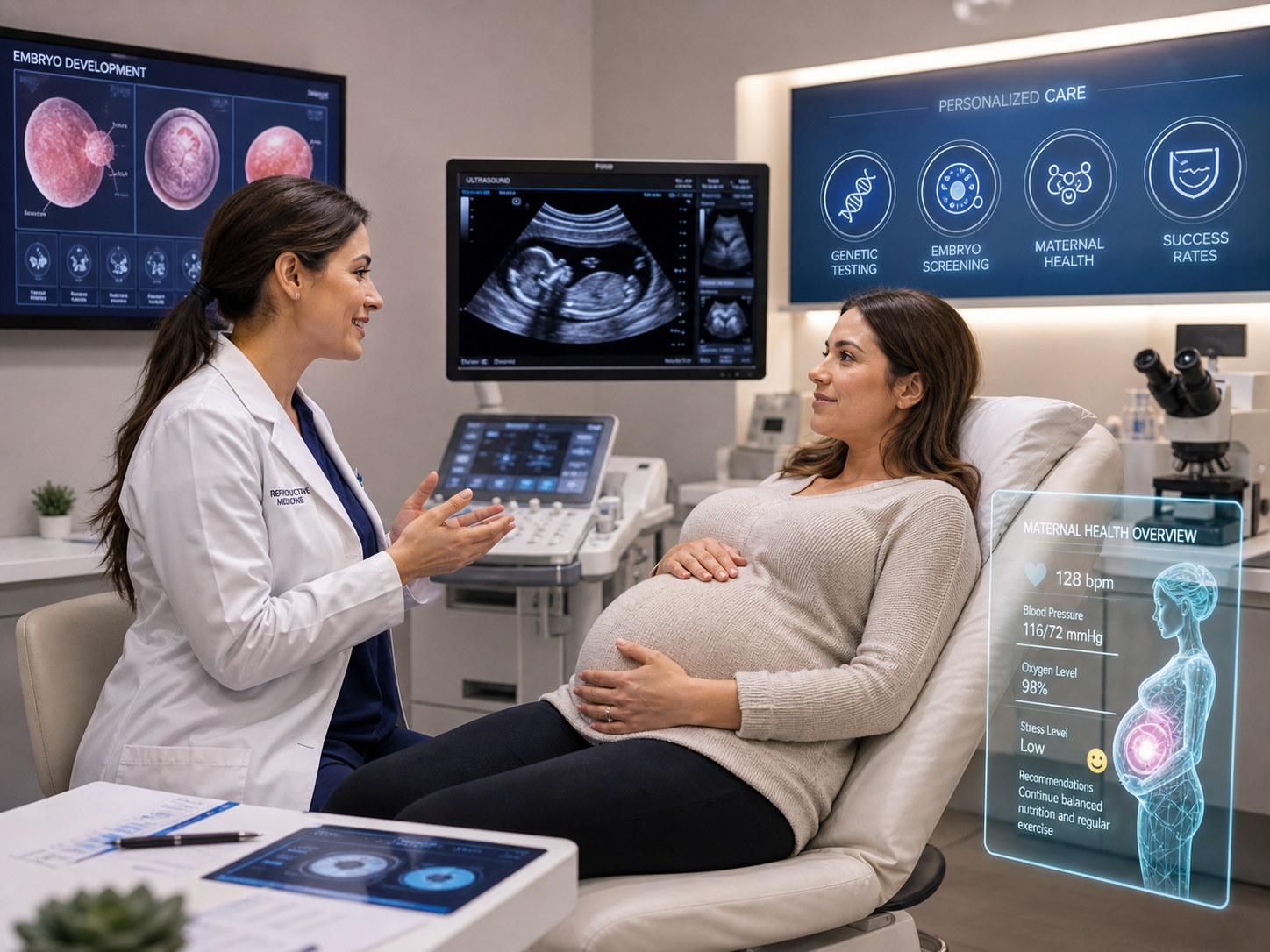
The medical aspect of surrogacy has benefited many individuals due to the introduction of technological advancements. IVF technique has become extremely sophisticated, increasing the success rate in embryo implantation.
Genetic screening tools, like preimplanting genetic testing is a great method, allowing for the selection of the healthiest embryos. It reduces the risk of genetic disorders and increases chances of successful pregnancy.
Telemedicine is another area that has revolutionized medical consultations and follow-ups conducted throughout the surrogacy process. Surrogates and intended parents can communicate with their doctors and healthcare providers from the comfort of their homes.
Streamlined Matching and Screening
The improvement in matching intended parents with surrogates has become an easy affair, thanks to streamlined matching and screening process. Thousands of women apply as surrogate mothers every year. The advanced database and algorithms enable agencies to match intended parents with surrogates based on factors such as personality traits, health history, and personal preferences.
Technology is showcasing advancements for potential surrogates as well. The elements, such as comprehensive medical evaluations, psychological assessments, and advanced background checks can be conducted through digital platforms. The whole screening is detailed and precise, ensuring only qualified and suitable candidates are selected, leading to better outcomes for the surrogate mother and intended parents.
Organized Initial Stages
The early stages of surrogacy are demanding and require the mothers to complete extensive paperwork in India. The procedure also involves legal assessments, medical examinations, and more. The first three months are critical for setting the foundation for a successful journey. Technology is revolutionizing the phase by introducing digital platforms to streamline documentation and legal processes.
Medical technology used during initial exams is transforming the way surrogate mothers are treated. Practitioners are utilizing innovations, such as telemedicine and electronic health records, for more accurate and efficient assessments. The overall procedure reduces the potential for errors and increases convenience for surrogate mothers.
Thanks to digital advancements and the introduction of various approaches, the creation and management of legal documents have become more accessible and reliable than ever. All agreements related to surrogacy and other formalities can be handled through secure online platforms. This process ensures that all parties maintain clear and organized records. Such transformation contributes to a seamless start and enhances the stress-free experience for both intended parents and surrogates.
Emotional and Psychological Support
The medical advancements in surrogacy are not limited to paperwork alone. The emotional and psychological aspects are significant and technology is getting introduced to offer critical support. Various online forums and communities offer a space for surrogate mothers and parents to connect, share experience, and offer support throughout the journey.
Various digital platforms break the isolation accompanying the surrogacy process and foster a sense of community and shared understanding.
Mobile apps are properly designed for mental health support, becoming increasingly popular and offering resources and professional counselling for everyone involved in this journey.
Various tools have been introduced to help you manage anxiety, stress, and other emotional challenges associated with the unique surrogacy journey. By offering on-demand access to mental health, technology plays a critical role in addressing the well-being of surrogate mothers and intended parents.
The emotional support network offered by these digital advancements extends to family and friends, offering them a great opportunity to actively take part in the journey. They can connect with the parties through video call updates, shared virtual spaces, and other modes of digital communication.
Better Communication and Coordination
Effective coordination and communication play a crucial role in smooth surrogacy process. Technological innovations and advancements make these processes efficient than ever. The introduction of scheduling tools, collaborative platforms, messaging apps, and more ensure all parties remain in sync, which also reduces the likelihood of missed appointments and confusions.
Better communication can be laid down with multiple stakeholders of the surrogacy process, including doctors, lawyers, intended parents, and surrogate mothers.
Surrogate mothers and to-be parents can utilize digital communication tools and maintain open lines of communication. They can quickly address concerns or changes that may arise.
The availability of real-time updates promotes transparency and trust—all of which are vital components of a successful surrogacy arrangement.
Surrogacy Technology in Kenya and East Africa
For many years, intended parents in Kenya and across East Africa had to travel abroad to access advanced fertility and surrogacy services. That has changed dramatically. Modern fertility centres in Nairobi, Mombasa and Kisumu now offer internationally standardised IVF laboratories, embryologists trained in PGT, telemedicine consultations, and digital case-management systems that match what is available in Europe, India and the Middle East.
At Myra IVF Centre, intended parents and surrogates benefit from a complete digital-first surrogacy programme — combining advanced IVF, genetic screening, secure document management, online counselling, and continuous medical supervision throughout pregnancy. This makes high-quality surrogacy care accessible to families in Kenya, Uganda, Tanzania, Rwanda and beyond, without the cost and stress of overseas travel.
Takeaway
At every step of the surrogacy journey, medical advancements and technological innovations are making the experience easier, safer and more effective. From PGT and telemedicine to AI-based matching, secure legal platforms and digital mental-health support, technology is reshaping the traditional pathways of surrogacy — and giving more families a real chance at parenthood.
If you are exploring surrogacy in Kenya or East Africa, speak with a qualified fertility specialist to understand which of these innovations best fit your medical and personal needs.
Frequently Asked Questions About Medical Advances in Surrogacy
How is technology changing surrogacy?
Advances in IVF, preimplantation genetic testing (PGT), telemedicine, electronic health records and AI-driven matching algorithms have made embryo selection more precise, monitoring more convenient and screening more thorough — leading to higher success rates and safer journeys for surrogate mothers and intended parents.
What is preimplantation genetic testing (PGT) and why is it used in surrogacy?
PGT screens embryos for chromosomal abnormalities or specific genetic disorders before they are transferred to the surrogate. By transferring only the healthiest embryos, PGT reduces the risk of failed implantation, miscarriage and inherited genetic conditions.
How does telemedicine help surrogates and intended parents?
Telemedicine allows surrogates and intended parents to attend consultations, follow-ups and counselling from anywhere. It reduces travel and cost, supports cross-border surrogacy, and keeps both parties closely connected to the medical team throughout the pregnancy.
How are intended parents matched with a surrogate today?
Modern agencies and clinics use digital databases, profile-matching algorithms and AI-assisted screening to pair intended parents with suitable surrogates based on health history, personality, lifestyle and personal preferences — improving compatibility and reducing matching time.
Is surrogacy safer with these new technologies?
Yes. Innovations such as electronic health records, secure digital consent platforms, advanced embryology labs and remote monitoring have made surrogacy safer than ever, with clearer documentation, fewer human errors and better continuity of care for the surrogate and the baby.
Where can I get advanced surrogacy treatment in Kenya?
Myra IVF Centre in Nairobi offers a complete surrogacy programme that combines advanced IVF, genetic screening, telemedicine support and digital case management, with branches in Mombasa and Kisumu serving patients across Kenya and East Africa.