
PCOS and Pregnancy: Can Women With PCOS Get Pregnant? | Myra IVF Centre Kenya
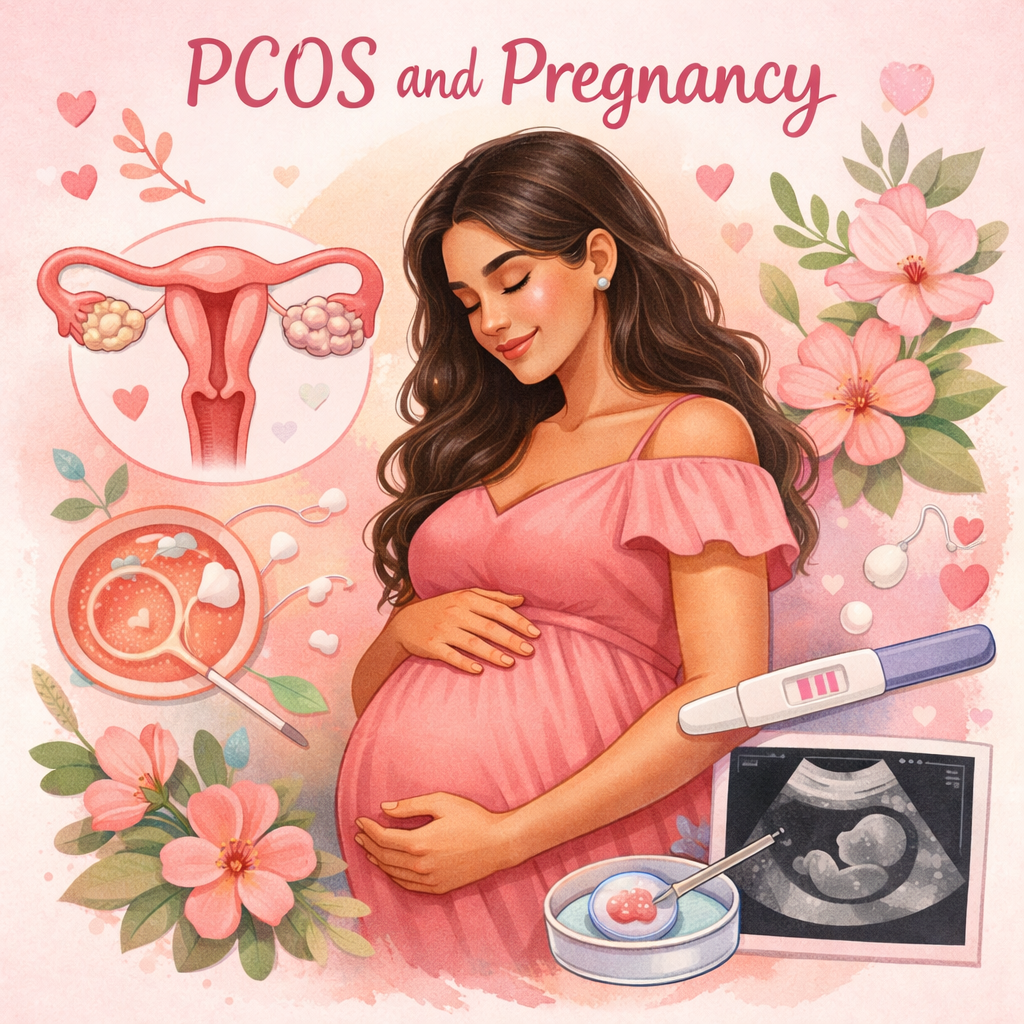
Polycystic Ovary Syndrome (PCOS) is one of the most common hormonal disorders affecting women of reproductive age. Millions of women worldwide struggle with PCOS, and in Kenya, the number of diagnosed cases continues to rise due to lifestyle changes, delayed pregnancies, and improved awareness of reproductive health. For many women, PCOS creates uncertainty around fertility and pregnancy. However, with proper medical care, lifestyle management, and fertility treatment support, successful pregnancy is absolutely possible.
At Myra IVF Centre, fertility specialists help women with PCOS achieve healthy pregnancies through personalized treatment plans, advanced reproductive technology, and compassionate patient care. Understanding PCOS and its impact on fertility is the first step toward building your family with confidence.
What Is PCOS (Polycystic Ovary Syndrome)?
Polycystic Ovary Syndrome is a hormonal condition characterized by irregular menstrual cycles, elevated male hormones (androgens), and multiple small cysts on the ovaries. Despite its name, PCOS does not always involve actual cysts but rather immature follicles that fail to release eggs regularly.
PCOS affects ovulation, hormone balance, metabolism, and overall reproductive health. This hormonal imbalance disrupts the natural menstrual cycle and makes conception more challenging without proper medical intervention.
PCOS is a lifelong condition, but with proper management and fertility care, women can successfully conceive and maintain healthy pregnancies.
How Common Is PCOS Among Women?
PCOS affects approximately one in every ten women of reproductive age. In Kenya and across Africa, many women remain undiagnosed due to limited awareness and delayed medical evaluation.
Early diagnosis and timely treatment significantly improve fertility outcomes and reduce long-term health risks such as diabetes, cardiovascular disease, and hormonal disorders.
At Myra IVF Centre, comprehensive fertility assessments help identify PCOS early and provide customized treatment strategies for optimal reproductive outcomes.
What Causes PCOS?
The exact cause of PCOS is not fully understood, but several contributing factors play a role in its development.
Hormonal Imbalance
Women with PCOS often have elevated levels of androgens, commonly referred to as male hormones. This imbalance interferes with ovulation and disrupts normal menstrual cycles.
Insulin Resistance
Many women with PCOS experience insulin resistance, where the body does not use insulin effectively. This leads to increased insulin levels, which stimulate excess androgen production and worsen hormonal imbalance.
Genetic Factors
PCOS can run in families. Women with a family history of PCOS, diabetes, or hormonal disorders may have a higher risk of developing the condition.
Lifestyle and Environmental Factors
Unhealthy dietary habits, sedentary lifestyle, stress, and obesity contribute to worsening PCOS symptoms and fertility challenges.
What Are the Common Symptoms of PCOS?
PCOS symptoms vary from woman to woman. Some experience mild symptoms, while others face severe hormonal and reproductive challenges.
- Irregular or missed periods
- Difficulty conceiving
- Excess facial and body hair growth
- Acne and oily skin
- Weight gain and difficulty losing weight
- Thinning scalp hair
- Dark patches of skin
- Fatigue and mood changes
Recognizing early symptoms and seeking fertility evaluation improves treatment success and long-term reproductive health.
How Does PCOS Affect Your Chances of Pregnancy?
PCOS directly affects ovulation, which is the release of a mature egg from the ovary. Without regular ovulation, natural conception becomes difficult.
In addition to ovulation issues, PCOS increases the risk of pregnancy complications such as gestational diabetes, high blood pressure, miscarriage, and preterm delivery.
However, with proper medical supervision and fertility care, most women with PCOS go on to have healthy pregnancies and successful deliveries.
Can Women With PCOS Get Pregnant Naturally?
Yes, many women with PCOS can conceive naturally, especially when lifestyle changes and medical treatment help regulate ovulation.
Weight management, healthy nutrition, exercise, stress control, and hormonal regulation significantly improve natural fertility outcomes in PCOS patients.
However, when natural conception does not occur, fertility treatments such as ovulation induction, IUI, or IVF provide effective solutions.
How Does PCOS Cause Ovulation Problems?
Irregular ovulation is the primary fertility challenge in PCOS. Hormonal imbalance prevents follicles from maturing properly, leading to missed ovulation cycles.
Fertility medications help stimulate ovulation and regulate hormone levels, increasing the chances of successful conception.
At Myra IVF Centre, ovulation monitoring and personalized medication protocols ensure safe and effective treatment outcomes.
Does PCOS Affect Egg Quality?
Although women with PCOS often produce multiple follicles, egg quality may be affected due to hormonal imbalance and metabolic factors.
Improving egg quality involves lifestyle optimization, nutritional support, hormonal regulation, and medical treatment protocols designed specifically for PCOS patients.
Why Is Early PCOS Diagnosis Important for Fertility?
Early diagnosis of PCOS allows fertility specialists to intervene before complications worsen. Proper management improves ovulation regularity, metabolic health, and pregnancy success rates.
Women planning pregnancy should seek fertility evaluation as soon as irregular periods or PCOS symptoms appear.
At Myra IVF Centre, comprehensive fertility diagnostics help women understand their reproductive health and begin treatment early.
What Are the Best Fertility Treatments for PCOS?
Women with PCOS have several fertility treatment options available depending on the severity of symptoms, age, hormone levels, and overall reproductive health. Fertility specialists customize treatment plans to achieve the best pregnancy outcomes while minimizing risks.
At Myra IVF Centre, PCOS treatment is personalized to address hormonal imbalance, ovulation irregularity, and metabolic challenges while optimizing reproductive potential.
How Does Ovulation Induction Work for PCOS?
Ovulation induction is the first-line fertility treatment for many women with PCOS who are trying to conceive naturally. This method involves using medications to stimulate the ovaries to release mature eggs.
Oral Fertility Medications
Medications such as Letrozole and Clomiphene Citrate are commonly prescribed to induce ovulation in PCOS patients. These drugs help regulate hormone levels and encourage follicle development.
Letrozole is often preferred for PCOS patients as it shows higher ovulation and pregnancy success rates with fewer side effects.
Injectable Hormonal Treatments
In cases where oral medications are not effective, injectable gonadotropins may be used. These medications directly stimulate the ovaries to produce mature eggs and are carefully monitored to avoid complications.
How Is Ovulation Monitored During PCOS Treatment?
Accurate ovulation monitoring is essential for successful conception. Fertility specialists use ultrasound scans and blood hormone tests to track follicle growth and ovulation timing.
This monitoring ensures proper medication dosage, prevents overstimulation, and identifies the optimal time for natural intercourse or fertility procedures.
Is IUI Effective for Women With PCOS?
IUI is a fertility treatment option for women with PCOS who ovulate with medication support but still experience difficulty conceiving.
During IUI, processed healthy sperm are directly placed into the uterus at the time of ovulation, increasing the chances of fertilization.
IUI is less invasive and more affordable compared to IVF and is often recommended as an intermediate step before advanced fertility treatments.
When Is IVF Recommended for PCOS?
In vitro fertilization (IVF) is recommended for PCOS patients who do not achieve pregnancy through ovulation induction or IUI, or those with additional fertility challenges.
IVF is also suitable for women with severe hormonal imbalance, long-standing infertility, male factor infertility, blocked fallopian tubes, or advanced maternal age.
IVF provides controlled fertilization, embryo selection, and higher success rates for complex fertility cases.
How Does IVF Work for Women With PCOS?
PCOS patients undergoing IVF follow specialized protocols designed to optimize egg quality while minimizing ovarian hyperstimulation risks.
Controlled Ovarian Stimulation
Lower-dose stimulation protocols are often used for PCOS patients to prevent excessive follicle development. Frequent monitoring ensures safe treatment progress.
Egg Retrieval and Fertilization
Once follicles reach maturity, eggs are retrieved under mild sedation. Fertilization occurs in advanced laboratory settings using conventional IVF or ICSI techniques.
Embryo Transfer and Luteal Support
High-quality embryos are transferred into the uterus, followed by hormonal support to promote implantation and pregnancy success.
What Are the IVF Success Rates for PCOS Patients?
Women with PCOS often respond well to fertility treatment due to higher ovarian reserve and egg quantity. With proper medical management, IVF success rates for PCOS patients are encouraging.
Success depends on age, metabolic health, lifestyle factors, embryo quality, and uterine receptivity.
At Myra IVF Centre, individualized IVF protocols and advanced laboratory techniques help maximize success while maintaining patient safety.
How Does Weight Management Improve PCOS Fertility?
Weight management plays a significant role in improving fertility outcomes for women with PCOS. Even modest weight loss can restore ovulation and improve hormonal balance.
Maintaining a healthy body mass index improves insulin sensitivity, egg quality, and pregnancy success rates.
Myra IVF Centre provides nutritional counseling and lifestyle guidance to help patients achieve optimal fertility health.
How Is Insulin Resistance Treated in PCOS?
Insulin resistance is a major contributor to hormonal imbalance in PCOS. Managing insulin levels helps improve ovulation regularity and metabolic health.
Doctors may recommend dietary modifications, physical activity, and medications such as Metformin to improve insulin sensitivity.
Combined medical and lifestyle interventions significantly enhance fertility treatment outcomes.
What Lifestyle Changes Help With PCOS Fertility?
Lifestyle changes play a powerful role in managing PCOS and improving pregnancy outcomes. Patients are encouraged to adopt long-term healthy habits.
- Balanced diet with low glycemic foods
- Regular physical activity
- Stress management techniques
- Adequate sleep routine
- Avoidance of smoking and alcohol
These changes improve hormone regulation, egg quality, metabolic health, and overall fertility potential.
Why Is Psychological Support Important for PCOS Patients?
Living with PCOS can be emotionally challenging due to fertility concerns, body image issues, and hormonal mood changes.
Professional counseling and emotional support help patients manage anxiety, depression, and treatment-related stress.
Myra IVF Centre emphasizes holistic fertility care by addressing both physical and emotional well-being.
What Pregnancy Complications Can PCOS Cause?
While many women with PCOS experience successful pregnancies, the condition can increase the risk of certain pregnancy-related complications. Understanding these risks allows patients and healthcare providers to implement preventive strategies and provide specialized prenatal care.
Gestational Diabetes
Women with PCOS are more likely to develop gestational diabetes due to underlying insulin resistance. Elevated blood sugar levels during pregnancy can affect both mother and baby if not properly managed.
Regular glucose monitoring, dietary management, physical activity, and medical supervision help maintain healthy blood sugar levels throughout pregnancy.
High Blood Pressure and Preeclampsia
PCOS increases the risk of high blood pressure and pregnancy-related hypertension disorders such as preeclampsia. These conditions require close monitoring to ensure maternal and fetal safety.
Early prenatal care and consistent blood pressure monitoring help prevent complications and ensure timely intervention.
Miscarriage Risk
Women with PCOS may face a slightly higher risk of early pregnancy loss due to hormonal imbalance and metabolic factors.
Proper hormone support, blood sugar control, and medical supervision significantly reduce miscarriage risk and improve pregnancy outcomes.
Is PCOS Pregnancy Considered High Risk?
PCOS pregnancies are often categorized as higher risk compared to non-PCOS pregnancies. However, this does not mean complications are inevitable.
With appropriate medical care, lifestyle management, and regular prenatal monitoring, most women with PCOS deliver healthy babies.
At Myra IVF Centre, high-risk pregnancy management protocols are implemented to ensure safe maternal and fetal outcomes.
Prenatal Care for Women With PCOS
Specialized prenatal care is essential for women with PCOS to minimize complications and support healthy pregnancy development.
- Frequent prenatal check-ups
- Blood sugar and blood pressure monitoring
- Hormonal support when necessary
- Ultrasound monitoring of fetal growth
- Nutritional counseling
Early detection and management of potential complications improve pregnancy success and maternal well-being.
Diet During Pregnancy With PCOS
Nutrition plays a vital role in managing PCOS symptoms and supporting healthy pregnancy outcomes. A balanced diet helps regulate blood sugar levels, control weight gain, and provide essential nutrients for fetal development.
Recommended Foods
- Whole grains and fiber-rich foods
- Lean proteins such as fish, chicken, and legumes
- Fresh fruits and vegetables
- Healthy fats from nuts and seeds
- Low-fat dairy products
Foods to Limit
- Processed foods
- Refined sugars
- Fried foods
- Sugary beverages
- Excess caffeine
Following a balanced diet supports hormonal stability and healthy fetal growth.
Exercise During PCOS Pregnancy
Moderate physical activity is beneficial during pregnancy for women with PCOS. Exercise helps regulate blood sugar levels, improve circulation, reduce stress, and support healthy weight gain.
Safe pregnancy exercises include walking, prenatal yoga, swimming, and light stretching.
Patients should always consult their healthcare provider before starting any exercise routine during pregnancy.
Medication Safety During PCOS Pregnancy
Some women with PCOS may continue certain medications during early pregnancy to support hormone balance and metabolic health.
Doctors carefully evaluate medication safety to ensure no harm to the developing baby.
Patients should never stop or adjust prescribed medications without consulting their fertility specialist or obstetrician.
Hormonal Support During Early Pregnancy
Hormonal support is often recommended for PCOS patients during early pregnancy to stabilize progesterone levels and support implantation.
Progesterone supplementation improves uterine lining stability and reduces early pregnancy loss risk.
Myra IVF Centre provides personalized hormonal monitoring and support throughout the first trimester.
Mental Health and Emotional Well-Being During Pregnancy
Pregnancy after PCOS treatment can be emotionally overwhelming due to past fertility struggles and pregnancy concerns.
Emotional support, counseling services, mindfulness practices, and family support help maintain mental well-being.
Reducing stress contributes positively to both maternal health and pregnancy outcomes.
Partner Support During PCOS Pregnancy
Partner involvement plays a crucial role in pregnancy success and emotional stability. Supportive partners help reduce stress, encourage healthy habits, and provide emotional reassurance.
Open communication and shared responsibility strengthen relationships and improve overall pregnancy experience.
Preparing for Delivery With PCOS
Women with PCOS should prepare for childbirth through regular prenatal visits, birth planning discussions, and medical guidance.
Understanding delivery options and postpartum care ensures a smooth transition into motherhood.
Proper preparation reduces anxiety and promotes positive birth experiences.
Frequently Asked Questions About PCOS and Pregnancy
Can women with PCOS get pregnant naturally?
Yes. Many women with PCOS conceive naturally with lifestyle changes and ovulation regulation. However, fertility treatment may be needed when ovulation remains irregular.
Is pregnancy difficult with PCOS?
PCOS can make conception more challenging, but it does not prevent pregnancy. With proper medical care and fertility support, successful pregnancy is achievable.
Does PCOS increase miscarriage risk?
PCOS may slightly increase early pregnancy loss risk. However, hormonal support, blood sugar management, and close medical monitoring significantly reduce this risk.
Can PCOS go away after pregnancy?
PCOS is a lifelong condition, but symptoms may improve after pregnancy. Long-term management is important for hormonal balance and metabolic health.
Is IVF safe for women with PCOS?
Yes. IVF is safe and effective for PCOS patients when performed under medical supervision. Specialized protocols help prevent complications and optimize outcomes.
How long does it take to get pregnant with PCOS?
Pregnancy timelines vary depending on treatment approach, age, health condition, and ovulation regularity. Some women conceive within months, while others require advanced fertility treatment.
Natural Ways to Improve Fertility With PCOS
While medical treatment is often necessary, natural fertility optimization strategies support reproductive health and improve treatment success.
- Maintain healthy body weight
- Follow PCOS-friendly nutrition plans
- Exercise regularly
- Manage stress levels
- Improve sleep quality
- Avoid smoking and alcohol
Combining natural lifestyle changes with fertility treatment produces the best results.
Why Choose Myra IVF Centre for PCOS Fertility Treatment
Choosing the right fertility clinic plays a major role in PCOS pregnancy success. Myra IVF Centre is recognized for providing specialized PCOS fertility treatment using advanced reproductive technology and personalized care.
- Experienced fertility specialists
- Advanced laboratory infrastructure
- Personalized treatment plans
- High IVF success rates
- Ethical medical practices
- Compassionate patient support
The clinic offers complete fertility services including ovulation induction, IUI, IVF, fertility preservation, hormonal treatment, and high-risk pregnancy monitoring.
Patient Success Journey and Hope for Families
Every successful PCOS pregnancy is a story of resilience and hope. Myra IVF Centre has helped countless women overcome PCOS-related infertility and achieve their dream of motherhood.
From first consultation to successful delivery, the clinic's patient-centered approach ensures continuous guidance and emotional support throughout the fertility journey.
Long-Term Health Management for Women With PCOS
PCOS management does not end after pregnancy. Long-term health monitoring is essential to prevent metabolic complications such as diabetes, heart disease, and hormonal imbalance.
Women are encouraged to maintain healthy lifestyles, attend regular medical check-ups, and follow fertility specialist recommendations.